logo image
  • Home
  • Experiences
    • Car Show
    • Scottish Country Dance
    • Clans
    • Entertainment
    • Fiddling Performances
    • Language Village
    • Living History
    • Scottish Dogs
    • Sheepherding
    • Tastings & Chef's Demo
    • Vendors & Crafters
  • General Info
    • 2026 Schedule & Map
    • Contact
    • FAQ
    • Gallery
    • Lodging
  • Competitions
    • Athletics
    • Fiddling Competition
    • Highland Dance
    • Piping & Drumming
  • Supporters
    • Patrons
    • Sponsors
BUY TICKETS
image

Piping& Drumming - 2026

2026 REgistration Here

Piping & Drumming

2026 Piping & Drumming Schedule/Order Available here

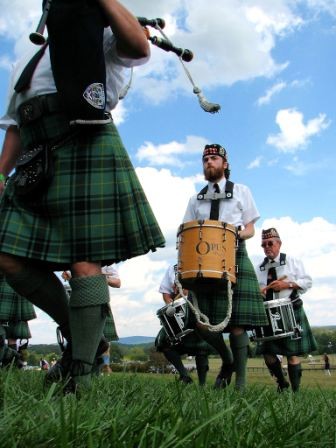
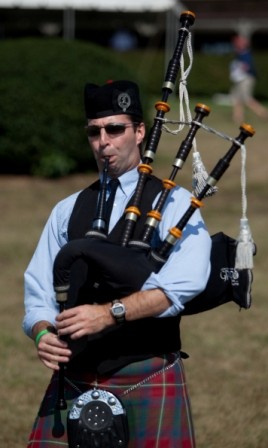
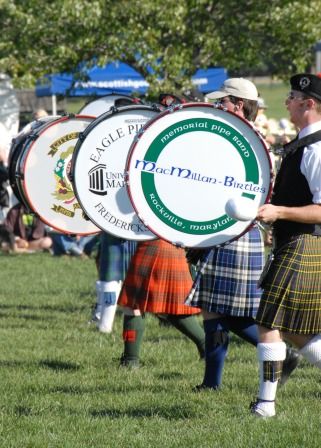
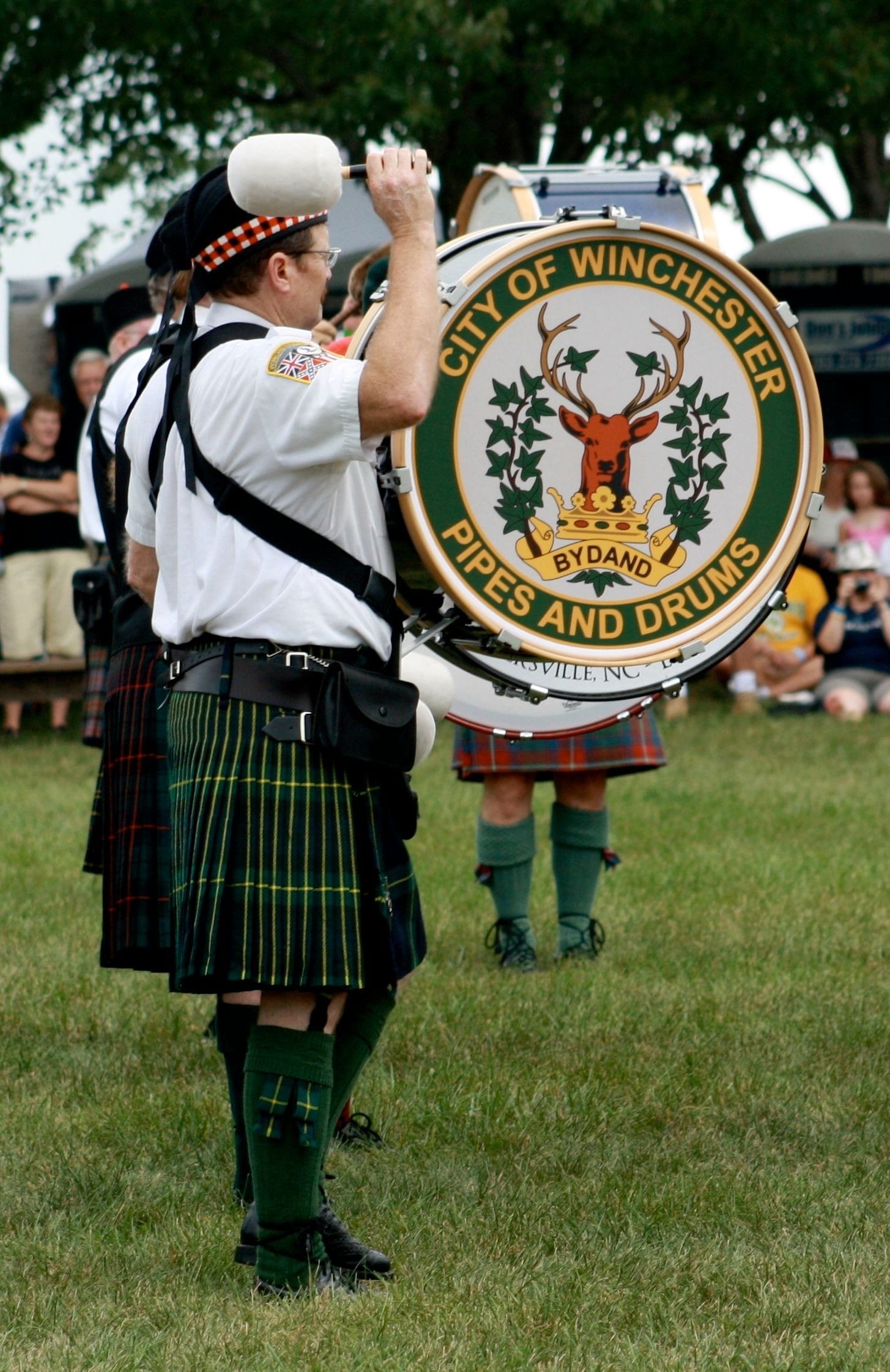
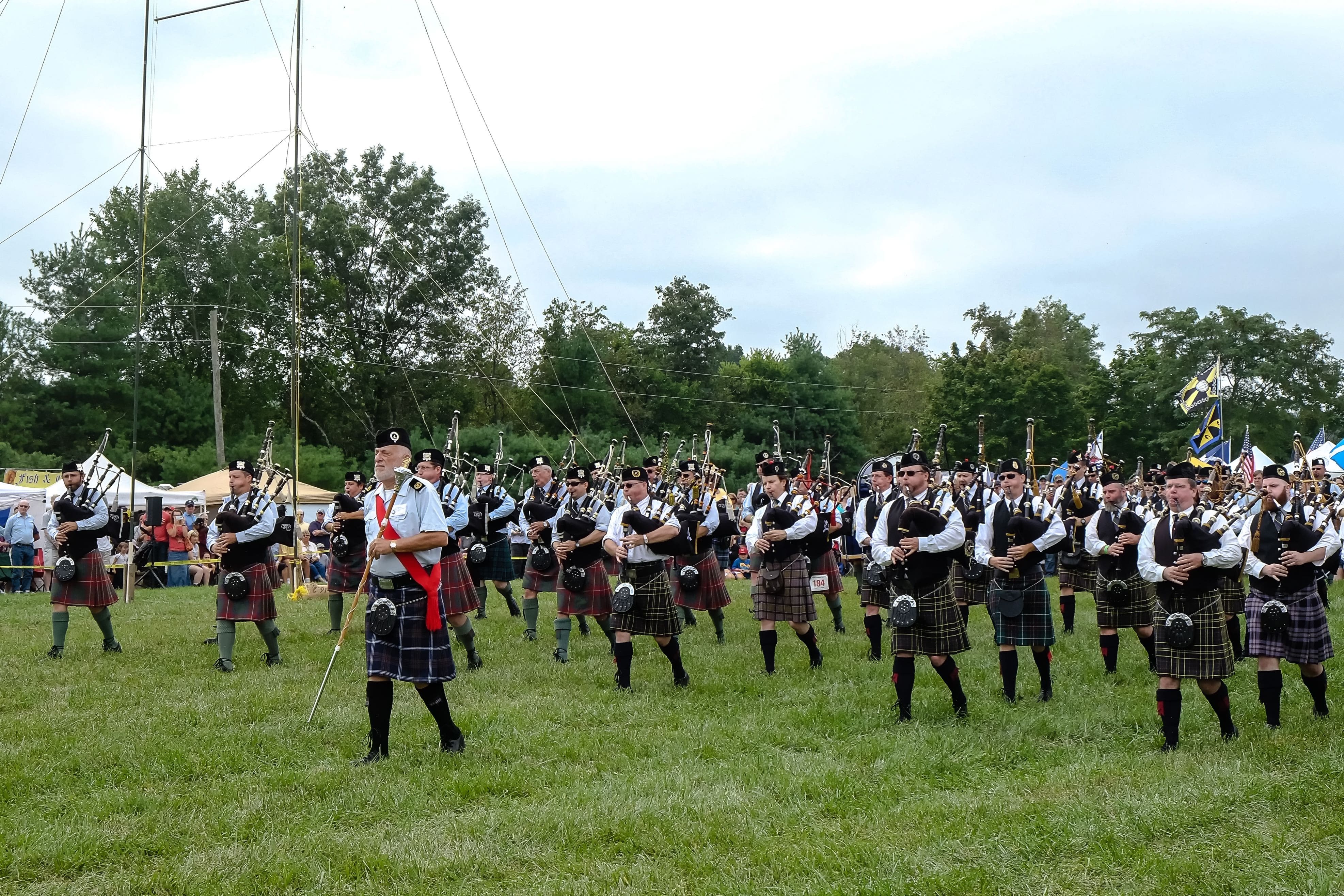
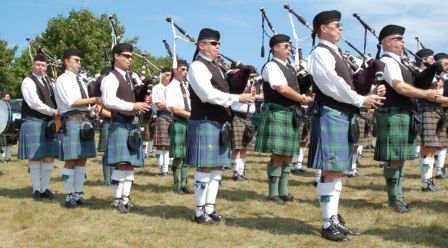
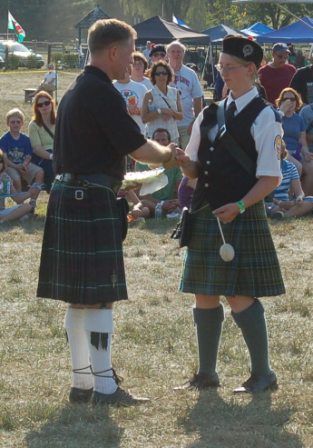
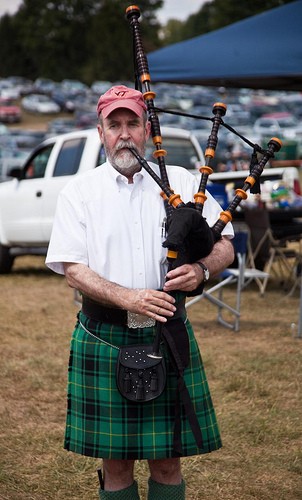
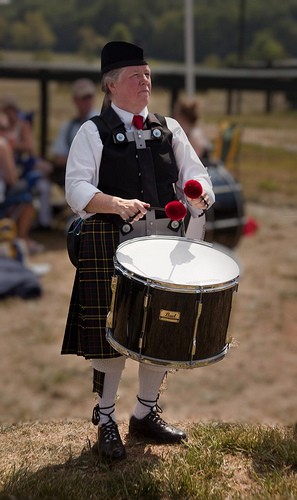
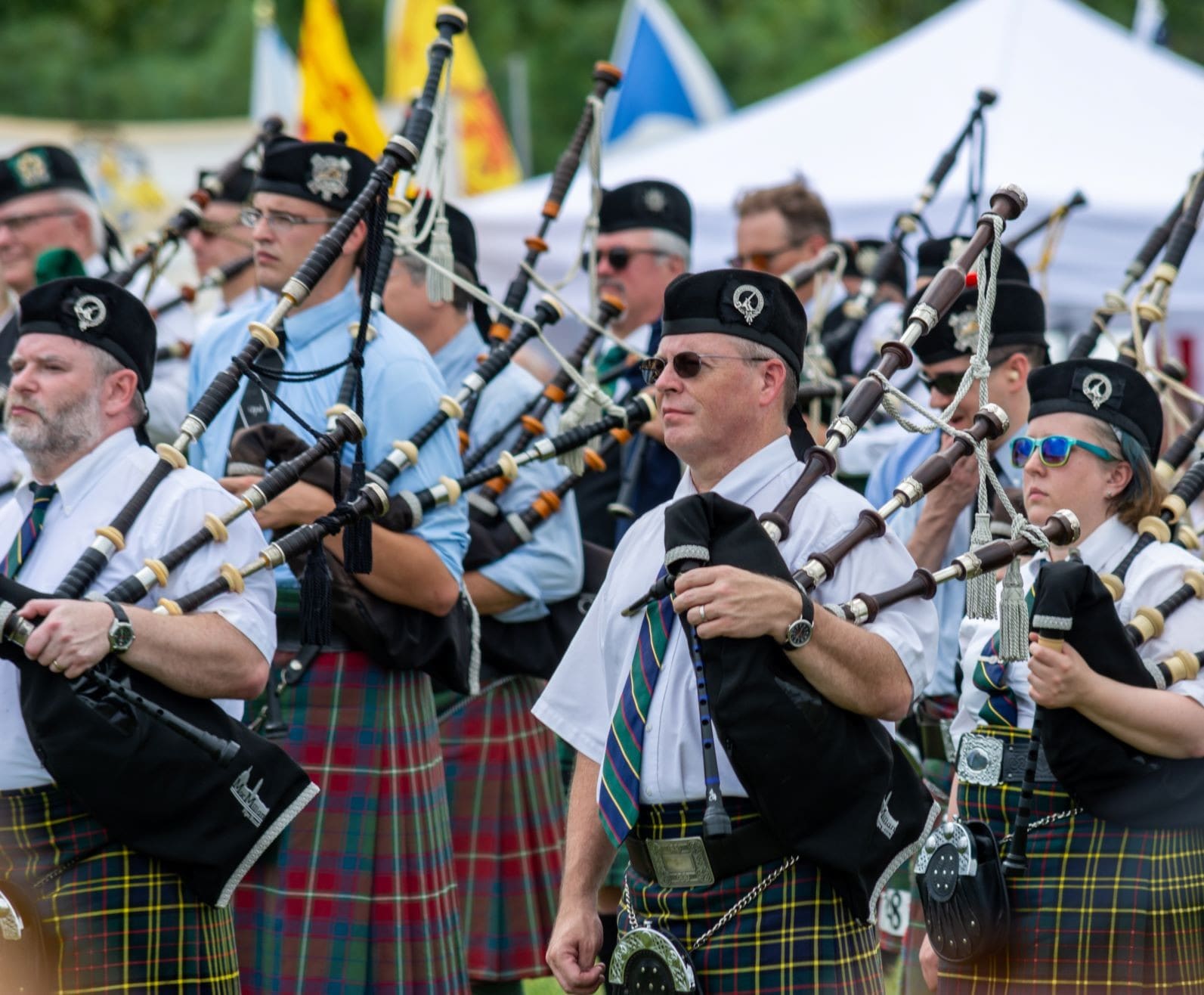
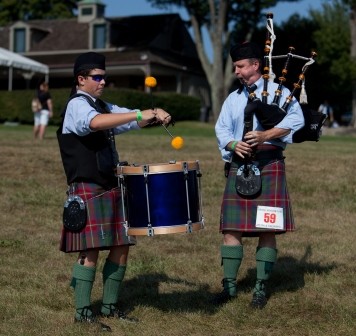
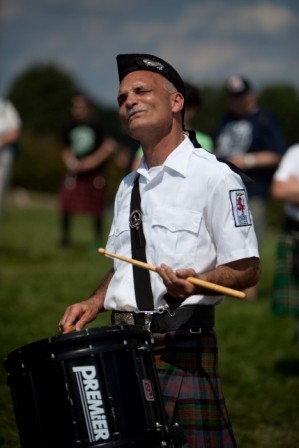
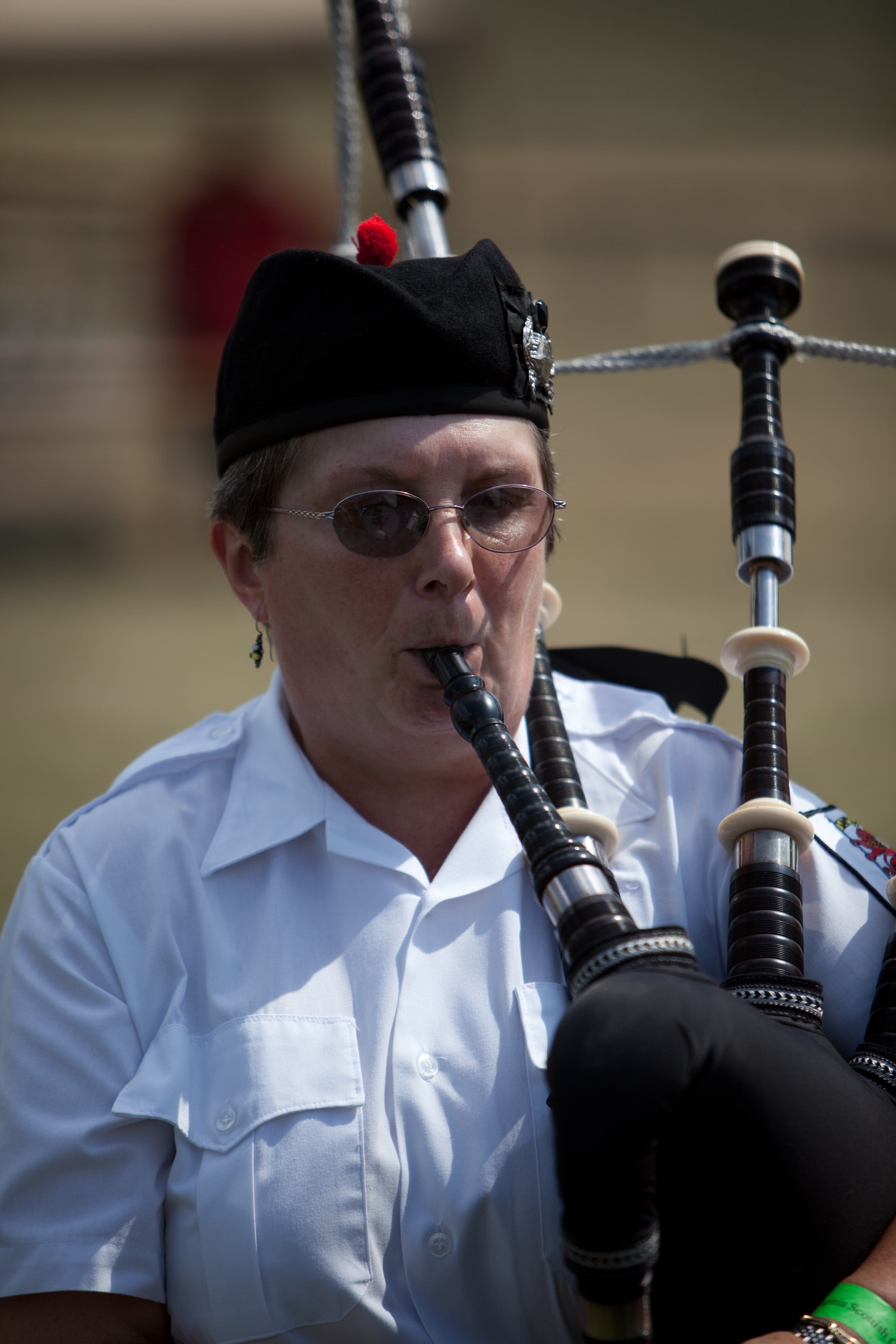
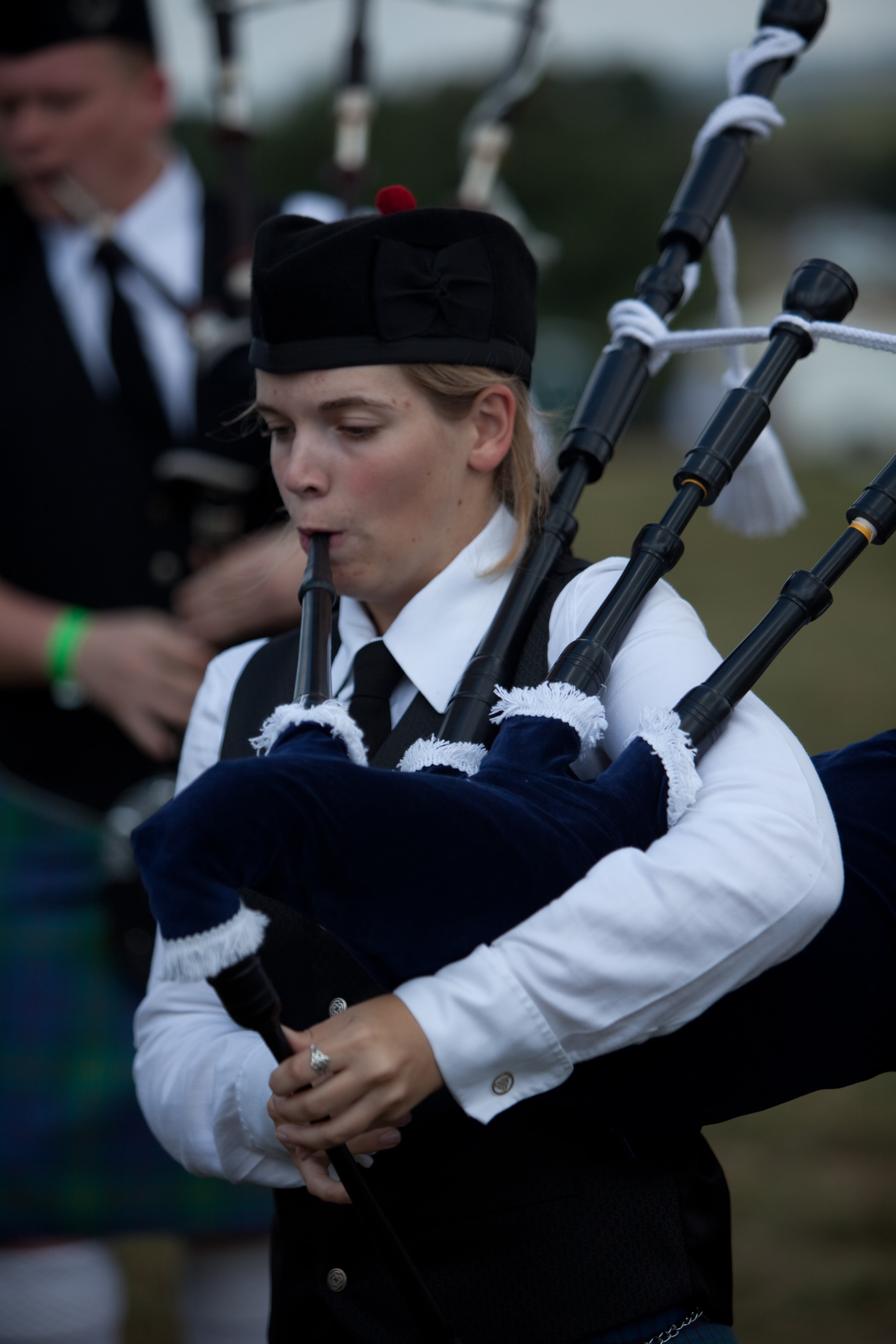
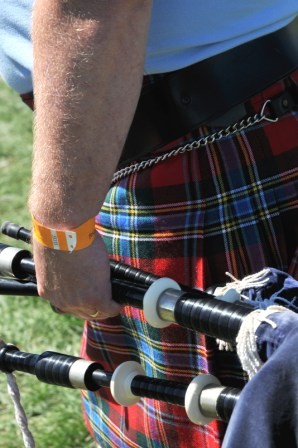
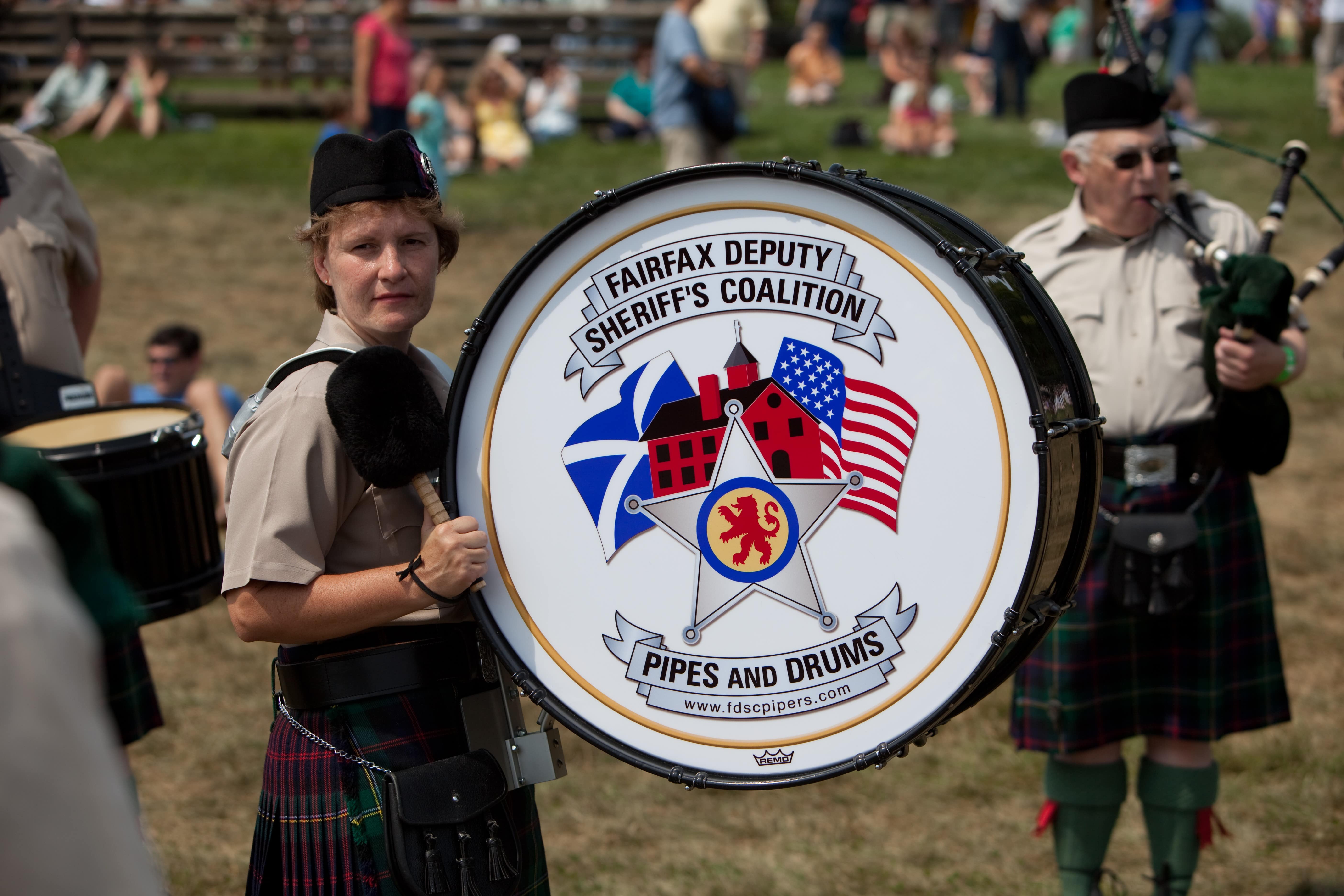
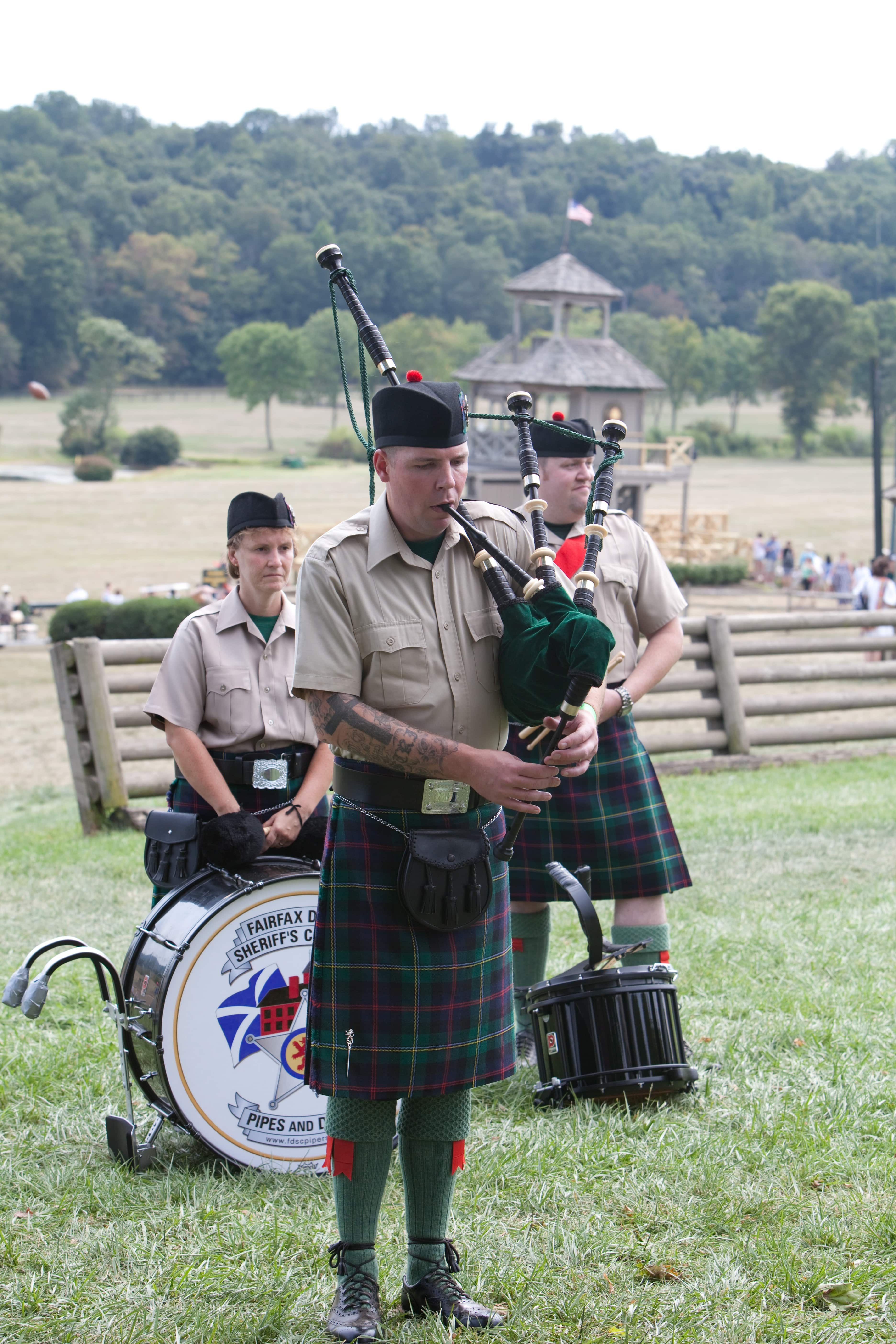
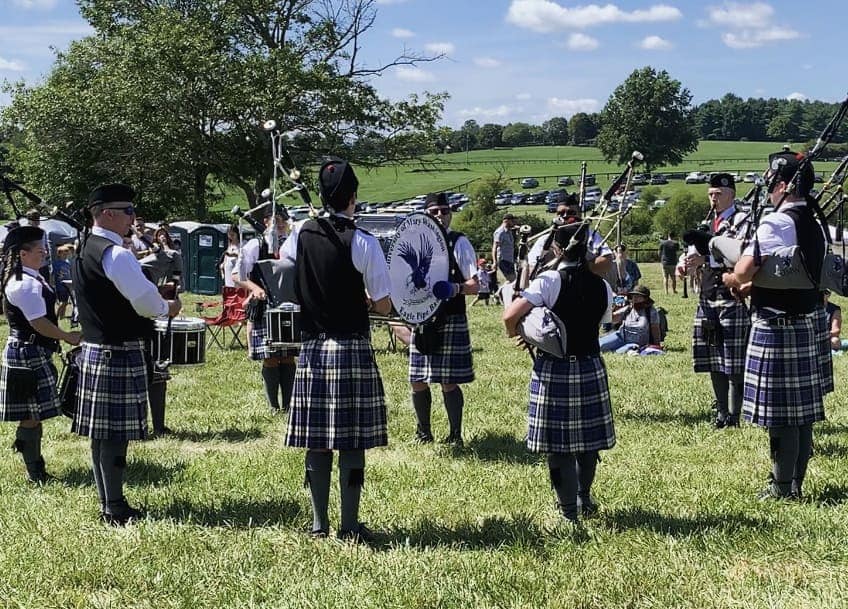
The bagpipes are very ancient instruments and there are references to them in Chinese, Persian, Greek and Roman folklore dating at least as far back as 2,000 years. It is believed that they were used in Scotland as early as 100 C.E. and the piper came to be held in higher esteem in Scotland than anywhere else. By the year 1000, the bagpipes were popular throughout Scotland and by 1500, every clan chieftain worthy of the name had a piper who would stay with his family. The pipes were banned along with the tartan and the kilt by the English. The English feared the stirring effect of the pipes on Scottish emotions. The bagpipe consists of six distinct parts: the bag (made of cloth-covered sheepskin), the Chanter with eight finger holes (9 notes), the blow-pipe with a valve to prevent the air from coming back out of the bag while the piper is taking a breath, and three drones (one bass and two tenor). Each drone has a single reed, while the chanter has a double reed. The piper plays by inflating the bag enough to sound the drones, then placing the bag under his arm and maintaining enough pressure to sound the chanter where the melody is played. Elbow pressure on the bag forces air through the double reed like that of an oboe to make the actual sound.There are three general categories of music for the highland bagpipe: Ceol Mor (big music), Ceol Meadhonach (middle music) and Ceol Beag (little music). Ceol Mor is the classical and oldest form of pipe music often referred to today as Piobairachd. "Piobaire" means piper and "eached" means pipe playing or music. Marches, strathspeys, reels, hornpipes and jigs are also played on the pipes. For information about Piping in the United States as well as historical results, please visit:Eastern United States Pipe Band Association
Thank you to our sponsors

Trophies

by Fauquier Scottish Heritage Society by Clan Carruthers Society - International
Medal Sets
by Clan Carruthers Society - International
image

Marc David RIcklis 1949-2025

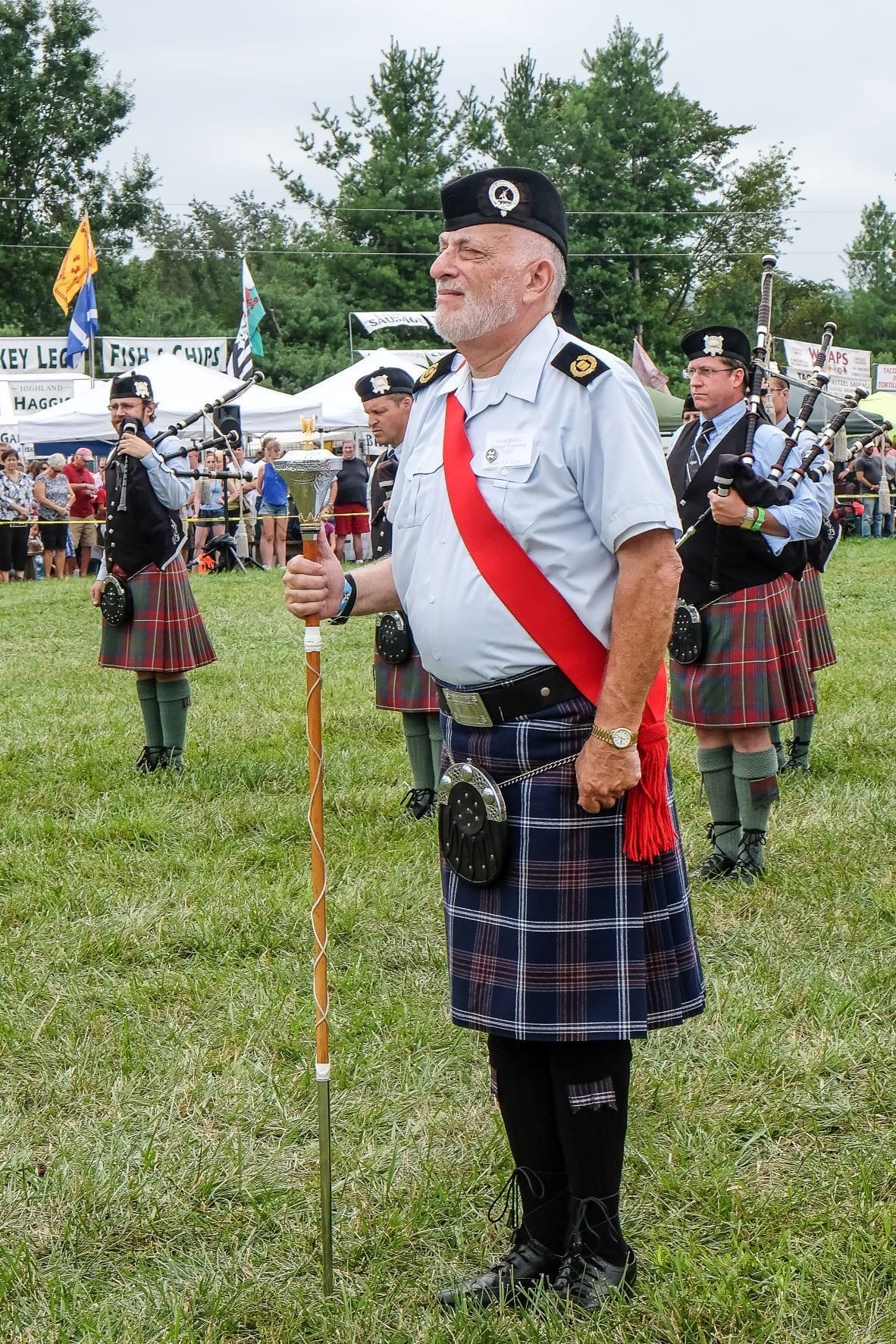
We mourn the loss of Dave Ricklis, a long time participant of the Virginia Scottish Games. Amongst other things, he led the Massed Bands at VSG for many years. "A man of great dignity and presence, Dave was the drum major of all drum majors, commanding respect with his polished bearing, calm authority, and unmatched organizational skills." We are thankful for the many years of his presence and leadership. He taught many people in ways no one will ever fully know. We extend our sympathies to all who knew him.
Festival Site
Great Meadow 5089 Old Tavern Road The Plains, VA 20198
mailing Address
P.O. Box 1338 Alexandria VA 22313 US
Contact
info@vascottishgames.org
Follow Us
Facebook
Instagram
Copyright © All rights reserved.

We use cookies to enable essential functionality on our website and analyze website traffic. For more information, read our Cookies and Privacy Policy.

Your Cookie Settings

We use cookies to enable essential functionality on our website and analyze website traffic. For more information, read our Cookies and Privacy Policy below.

Cookie Categories
Essential

These cookies are strictly necessary to provide you with services available through our websites.

Analytics

These cookies collect information that is used in aggregate and in an anonymized form to help us understand how our website is being used and how effectively our site is performing.